Our Commitments
For the places, people, and living things behind everything we make.
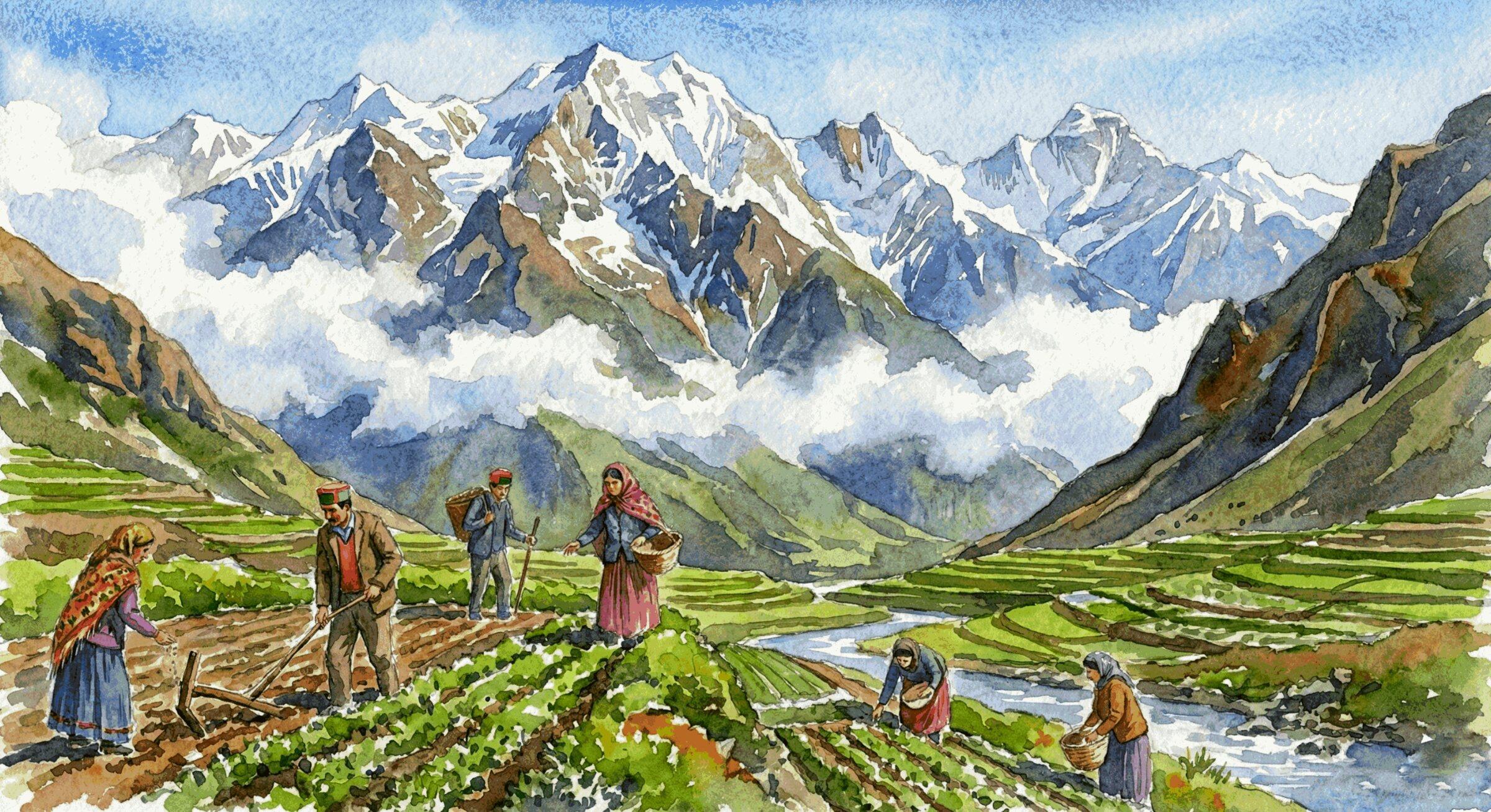



The Himalayas are more than the origin of our ingredients and inspiration. They are living landscapes, shaped by intricate relationships between forests, Gods, flowers, pollinators, communities, and generations of human knowledge.
We believe that working with the resources of a region brings with it a responsibility to understand, respect, and care for the systems that sustain them. For us, this responsibility is not separate from our work. It is integral to how we choose to grow.
Our commitments take shape through three initiatives, each dedicated to something we believe deserves a future as rich as its past.
Wings for Care
For Everything That Grows, Grazes & Belongs
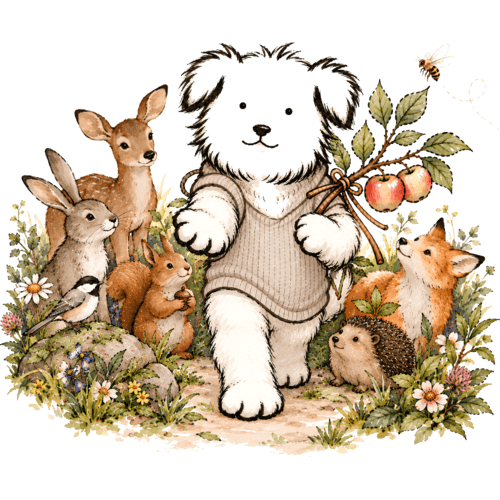
At the heart of Wings for Care is a commitment to floriculture, supporting flowering habitats, pollinators, and the ecological relationships that sustain Himalayan biodiversity.
Our care also extends to the animals that share these mountains with us, from shepherd dogs and the familiar companions of mountain trails to indigenous Himalayan cattle and the pastoral communities whose lives are intertwined with them.
Because caring for the mountains means caring for all who call them home.
For the Mountains
Protecting the landscapes behind what we grow, source and make.
Every ingredient has a landscape behind it. Every harvest is shaped by the soil, water, forests, seasons, and delicate ecological relationships of its place of origin.
For the Mountains reflects our dedication to responsible sourcing, environmental awareness, and the long-term care of the Himalayan landscapes connected to our work.
The mountains give generously. How we work with what they provide should be equally considered.
Looms of Himachal
For the Looms & Living Heritage
Some of the Himalayas’ most remarkable traditions are not written down. They are practised, perfected, and passed from one generation to the next.
Through Looms of Himachal, we celebrate regional weaving traditions, the artistry of handmade textiles, and the knowledge and livelihoods that sustain this living heritage.
Because heritage remains alive when the people who carry it forward have a place in its future.